Your garage door faces the elements every single day. Rain, wind, scorching heat, and cold nights all take their toll on this hardworking part of your home. Understanding how different weather conditions affect your garage door can help you spot problems early and keep it working smoothly for years to come. Platinum Garage Doors Sydney has seen firsthand how Australian weather patterns create unique challenges for garage door systems, and they recommend staying proactive with maintenance throughout the year.
How Heat and Sun Exposure Damage Garage Door Components
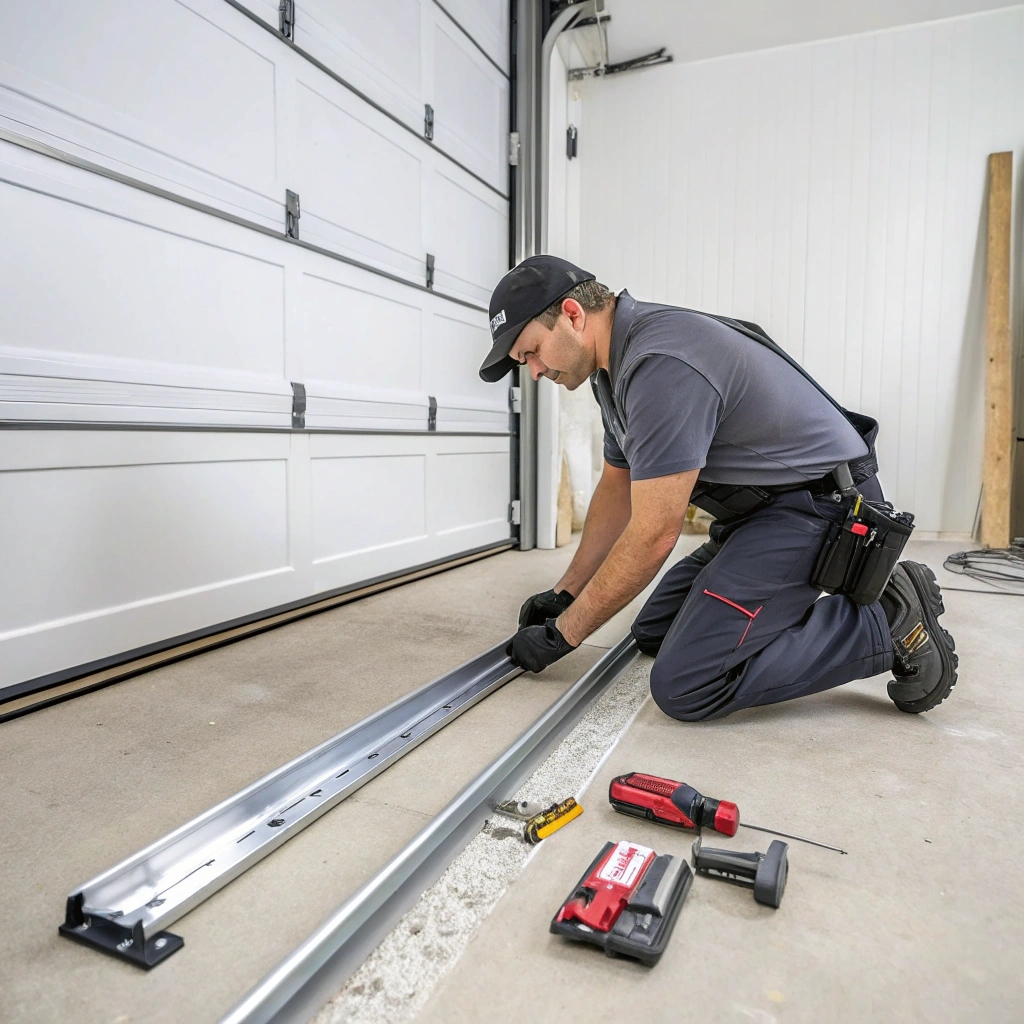
Australia’s intense summer heat can wreak havoc on Sydney garage doors. Direct sunlight causes metal doors to expand, which can lead to warping or misalignment over time. The UV rays also fade paint and finishes, making your door look worn and weathered long before its time.
Plastic components like weather seals and decorative panels become brittle in extreme heat. You might notice cracks forming or seals pulling away from the door frame. The lubricants in your garage door opener and track system can also break down faster in high temperatures, leading to noisy operation or increased friction.
Wooden garage doors face particular risks during hot, dry spells. The timber can crack and split as moisture evaporates. This not only affects appearance but can also compromise the door’s structural integrity. Regular treatments with protective sealants help wooden doors withstand harsh sun exposure.
Why Cold Weather Causes Garage Door Operation Problems
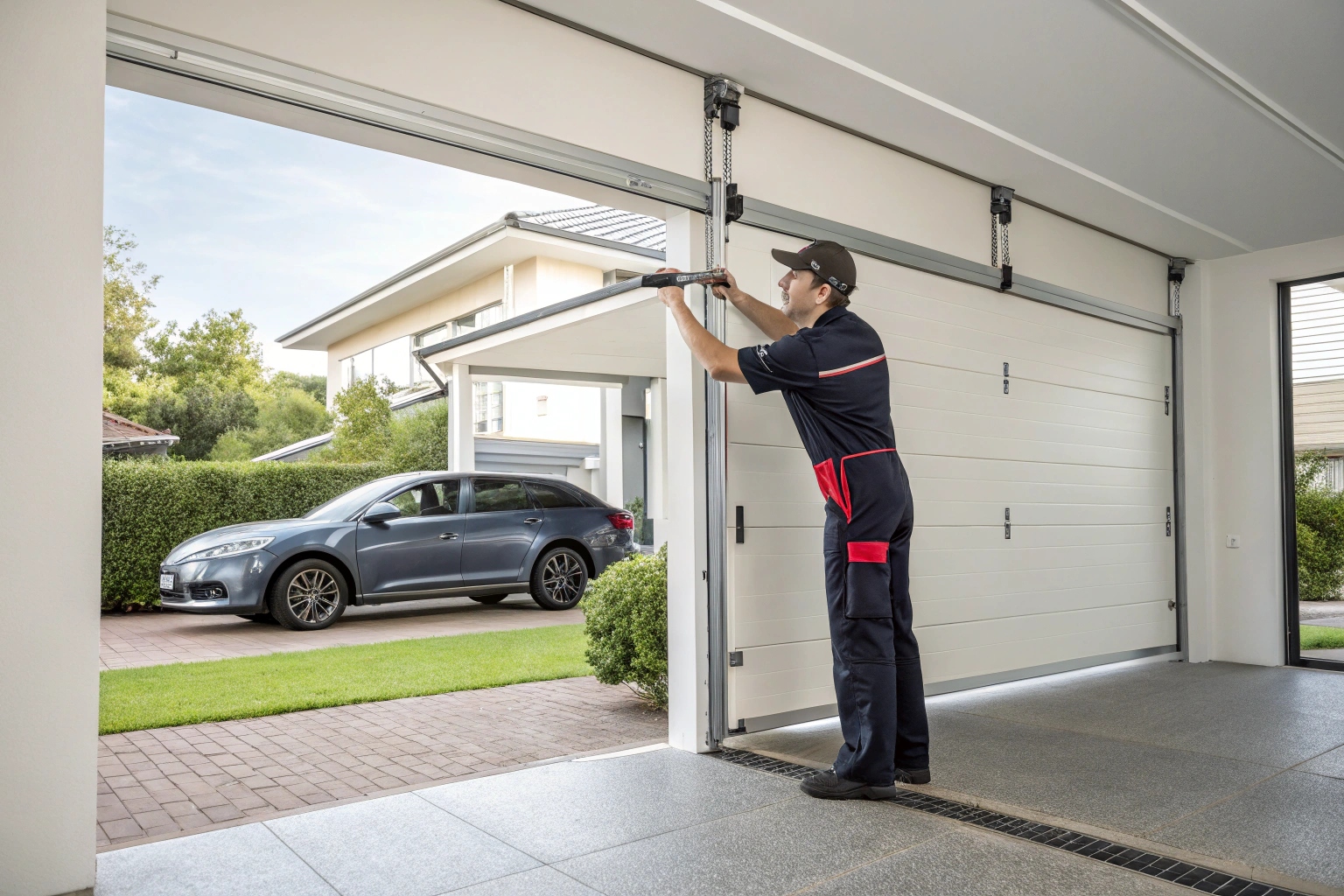
While Sydney doesn’t experience severe winters, cooler temperatures still impact garage door performance. Metal contracts in cold weather, which can cause tracks to narrow slightly and create resistance when the door moves. You might hear grinding noises or notice the door struggling to open smoothly on chilly mornings.
Garage door springs are particularly sensitive to temperature changes. Cold weather makes metal springs stiffer and less flexible, putting extra strain on the opener motor. In some cases, springs may even snap if they’re already worn and face sudden temperature drops.
Lubricants thicken in cold conditions, reducing their effectiveness. This means moving parts don’t glide as smoothly, and your opener has to work harder. Battery-operated remotes and sensors can also lose charge more quickly in cold weather, leading to frustrating delays when you’re trying to get in or out.
The Impact of Rain and Humidity on Garage Door Materials
Moisture is one of the biggest enemies of garage doors. Rain and high humidity levels can cause rust on metal components, particularly around hinges, springs, and hardware. Once rust takes hold, it spreads quickly and weakens structural elements.
Wooden garage doors absorb moisture during rainy periods, causing the timber to swell. This can make the door stick in its tracks or fail to close properly. When the wood dries out again, it may warp or develop gaps that let water, pests, and drafts inside your garage.
The bottom seal of your garage door takes the most punishment from wet weather. Water pooling at the base can degrade rubber seals, creating gaps that allow rain to seep into your garage. Regular inspection of this seal helps prevent water damage to items stored inside.
Electrical components in your garage door opener are also vulnerable to moisture. Humidity can cause corrosion in wiring and sensors, leading to intermittent failures or complete breakdowns. Ensuring proper ventilation in your garage helps protect these sensitive parts.
Wind Damage and Structural Stress on Garage Doors
Strong winds create significant pressure on garage doors, especially during storms. The large surface area of a typical garage door makes it act like a sail, and powerful gusts can bow panels inward or even blow doors off their tracks entirely.
Coastal areas face additional challenges from salt-laden winds. The salt accelerates corrosion on metal parts and can damage protective coatings. Homes near the beach need more frequent inspections and maintenance to combat these harsh conditions.
Repeated exposure to moderate winds also takes a toll over time. Panels can loosen, hardware can work itself free, and tracks can shift slightly out of alignment. These small changes accumulate and eventually affect how well your door operates. Regular tightening of bolts and brackets helps maintain structural integrity.
Preventative Maintenance Tips to Weather-Proof Your Garage Door
Protection starts with regular inspections. Check your garage door at least twice a year, looking for signs of rust, wear, cracks, or loose hardware. Pay special attention to springs, cables, and rollers, as these components handle the most stress.
Keep moving parts well-lubricated with products designed for garage doors. Apply lubricant to hinges, rollers, springs, and tracks every few months. This reduces friction and helps components withstand temperature fluctuations.
Clean your garage door regularly to remove dirt, salt, and debris that can trap moisture against the surface. Use a mild detergent and a soft brush, then rinse thoroughly. For wooden doors, apply a fresh coat of sealant or paint every few years to maintain protection.
Replace worn weather seals promptly. These inexpensive components provide crucial protection against rain and drafts. Check them each season and swap them out if you notice cracks, gaps, or deterioration.
Keep Your Garage Door in Top Condition
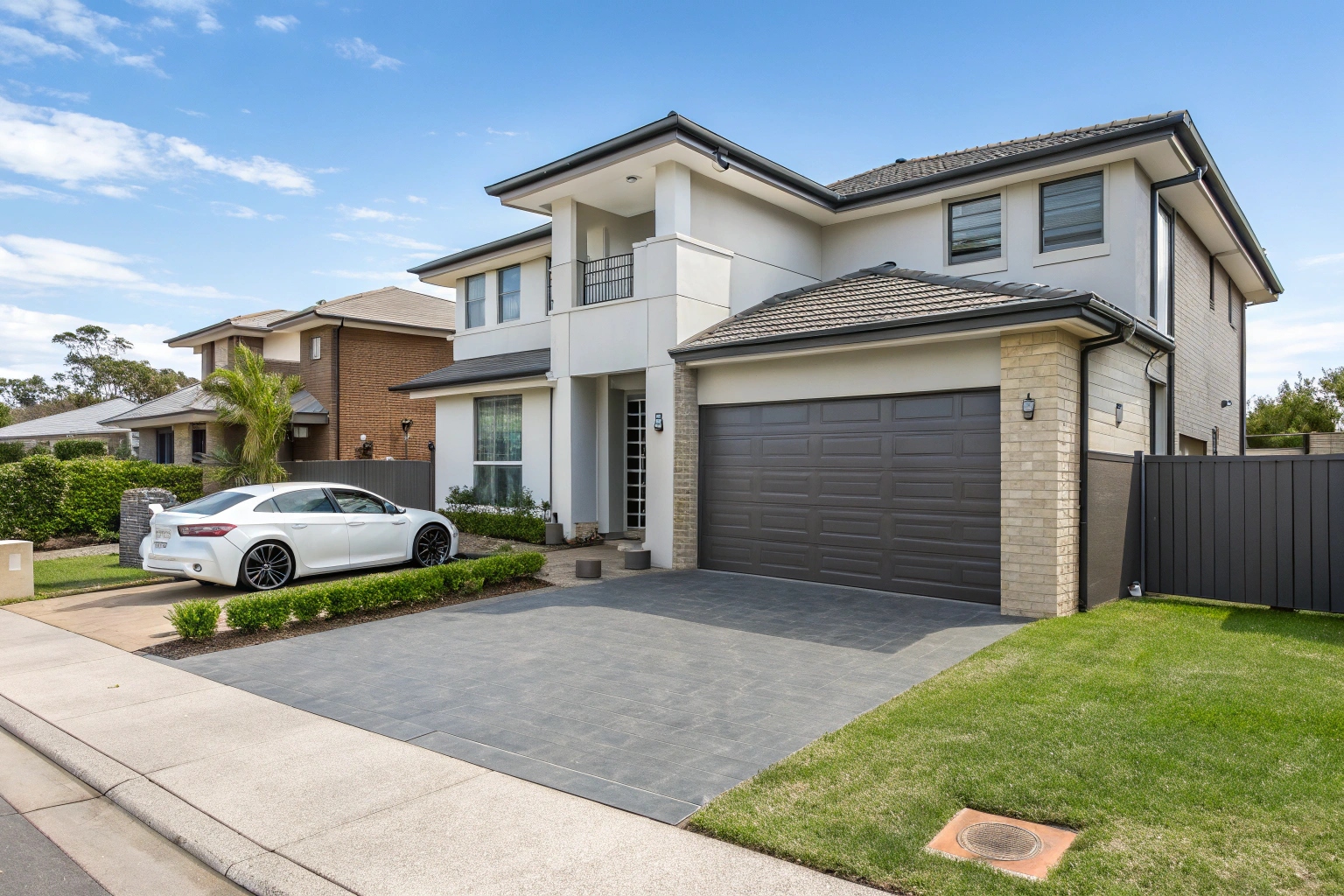
Don’t let the weather take years off your garage door’s lifespan. Platinum Garage Doors Sydney offers comprehensive maintenance services and expert repairs to keep your door operating reliably through every season. Their experienced team understands the unique challenges Australian weather presents and can recommend the best solutions for your specific situation. Contact them today for a professional inspection and ensure your garage door is ready to face whatever weather comes next.